


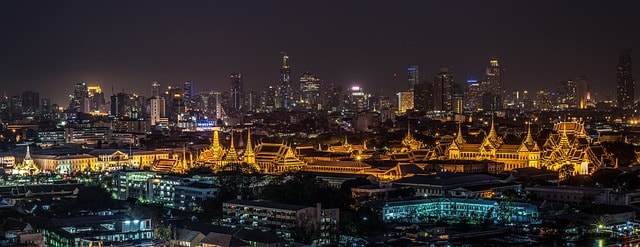
Thailand has emerged as a highly desirable destination for expatriates, retirees, and investors due to its affordable living, rich culture, and diverse landscapes. Whether you’re considering a holiday home, a retirement investment, or a rental property, Thailand’s real estate market offers excellent opportunities. However, buying real estate in Thailand involves understanding the process and challenges associated with it, including legal requirements, costs, and potential risks for foreign investors.
This comprehensive guide will walk you through the various aspects of buying property in Thailand as a foreigner, covering ownership laws, the buying process, financial considerations, and more.
Thailand offers a range of attractive reasons for foreign buyers, including affordable property prices compared to Western countries, a high quality of life, and favourable tax policies. The Thai real estate market presents significant potential for foreign property ownership, with growing opportunities for both relocation and investment. The country’s real estate market continues to grow, particularly in areas popular with expats and tourists, such as Bangkok, Phuket, Pattaya, Chiang Mai, and Koh Samui.
Some key reasons for investing in Thailand include:
Affordable Prices: Thailand offers property at relatively low prices compared to Western countries or other Southeast Asian markets, making it an attractive investment opportunity.
High Rental Yields: In tourist-heavy regions, rental yields for short-term vacation rentals can be lucrative.
Growing Infrastructure: Thailand continues to develop its infrastructure, including transportation, healthcare, and commercial facilities, which increases the appeal of its property market.
Expat Communities: Many areas, especially in Bangkok, Phuket, and Pattaya, have well-established expatriate communities, making the transition for foreigners easier.
Favourable Tax Conditions: Thailand has relatively low property and capital gains taxes compared to other countries, offering tax advantages for foreign investors.
Can foreigners buy property in Thailand? Thailand has strict laws regarding foreign ownership of land and property, generally restricting land ownership. However, foreigners can own buildings like houses or villas on leased land through long-term leasehold agreements.
Foreign property ownership in Thailand involves complexities and regulations that require careful navigation. While it is possible for foreigners to own certain types of property, direct ownership of land remains restricted. According to the Land Code Act, foreigners can own buildings but not the land beneath them. This guide will explore practical options for home ownership without land ownership. It is essential to understand the legal requirements and restrictions, and hiring local legal expertise is recommended to effectively manage these regulations. Foreigners can legally acquire property in Thailand by leasing land or buying condominiums.
Foreigners have limited options when it comes to owning property in Thailand, and understanding the nuances is crucial before making an investment.
Foreign Quota: Foreigners are legally allowed to own up to 49% of the units in any condominium project. If the foreign quota for the building has already been reached, you won’t be able to purchase in that building.
Outright Ownership: Condominium ownership is the easiest and most straightforward property investment for foreigners in Thailand. You can own the unit outright and have your name registered on the title deed.
Popular Cities for Condos: Bangkok, Pattaya, and Phuket are popular destinations for foreigners looking to buy condos, offering a mix of luxury and affordable units.
Foreigners are not allowed to directly own land in Thailand, but they can lease land for up to 30 years and own the buildings constructed on it, not the land. However, they can lease land for up to 30 years, with options to renew the lease for additional terms. Many foreign buyers opt to lease land for long-term use and build a house on it.
30-Year Lease: The standard land lease for foreigners is 30 years. The lease can be renewed, but this depends on the terms agreed upon with the landowner.
Renewal Terms: Although leases are typically renewable, it’s essential to include renewal options in the original lease agreement to secure future extensions.
Building Ownership: While foreigners cannot own land, they can legally own the buildings constructed on leased land. This is a common strategy for those wishing to build villas or houses in popular tourist areas.
Another way foreigners invest in Thai land is by setting up a Thai company. However, due to the Land Code Act, which prohibits foreigners from owning land in Thailand, the foreigner can only own up to 49% of the company’s shares, while the remaining 51% must be owned by Thai nationals. There are strict regulations in place to ensure that these Thai shareholders are legitimate and not just “nominee” shareholders.
Setting Up a Thai Company: Forming a Thai company can be complex, and it’s crucial to work with a legal professional to ensure compliance with Thai laws.
Majority Thai Shareholders: Since foreigners can only hold 49% of the shares, the majority must be owned by Thai citizens, and the foreigner must not exert control over the Thai shareholders.
Foreigners married to Thai nationals may purchase land in their spouse’s name. The property will be registered in the spouse’s name, but the foreign spouse must sign a declaration stating that they do not claim ownership over the land.
Registered in Spouse’s Name: The property title deed will be in the name of the Thai spouse.
Waiving Rights to Ownership: As a foreign spouse, you must formally waive your rights to the land, acknowledging that the property belongs solely to your Thai partner.
When considering buying property in Thailand, foreigners have several legal avenues to explore that allow them to use and benefit from property without directly owning the land. Three such options are Usufruct, Right of Superficies, and Right of Habitation.
Usufruct grants the holder the right to use and enjoy another person’s immovable property, such as land or buildings. This right can be registered at the local land office and allows the foreign owner to use the property and derive benefits from it, such as rental income, without owning the land itself. This can be a practical solution for those looking to invest in property in Thailand while adhering to local laws.
Right of Superficies establishes a registered right to use the land and own the structures built upon it. This means you can build a house or other structures on the land without owning the land itself. This right is particularly useful for those looking to construct a villa or house in Thailand, providing a legal framework to secure your investment.
Right of Habitation focuses on the right to live in a house. This right allows the beneficiary to reside in the property without paying rent to the grantor. It’s a straightforward way for foreigners to secure a place to live in Thailand, especially if they are not interested in generating rental income from the property.
These rights offer viable alternatives for foreigners to use and benefit from property in Thailand while complying with the country’s stringent land ownership laws.
Once you’ve understood the property ownership laws, the next step is navigating the property purchases process, including the legal and financial considerations involved. Here’s a step-by-step guide to help you through the process.
Before diving into the property market, conduct thorough research to determine where and what type of property to invest in. Key considerations include:
Location: Thailand has diverse regions with different property markets. Bangkok is ideal for urban living and business opportunities, while Phuket and Koh Samui are popular for resort-style living. Chiang Mai is known for its laid-back atmosphere and lower cost of living.
Market Trends: Keep an eye on property market trends, including price movements, foreign ownership regulations, and rental demand.
Property Type: Determine whether you’re looking to purchase a condo, lease land for a house, or invest in commercial property.
It’s highly recommended that foreigners hire a local lawyer who specialises in real estate transactions to guide them through the legal complexities and help manage legal fees, which are an important component of the overall expenses.
Legal Representation: A lawyer will help you review contracts, conduct due diligence, and ensure the property is free of encumbrances, such as unpaid taxes or mortgages.
Due Diligence: Your lawyer will perform essential checks on the property, including verifying the title deed, ownership rights, and the legal status of the property.
A thorough understanding of Thai property law, along with conducting proper due diligence, including a property inspection and title search, are critical steps in ensuring the property is a sound investment.
Property Inspection: Inspect the property to assess its condition, especially for older properties that may require renovations or repairs.
Title Search: Your lawyer will verify the authenticity of the title deed and ensure the seller has the legal right to sell the property.
Once you’ve found a property you wish to purchase, the next step is signing a reservation agreement and placing a deposit to secure the property.
Reservation Agreement: This agreement outlines the basic terms of the sale, including the purchase price, deposit amount, and the estimated timeline for the completion of the sale.
Deposit Payment: The deposit is typically 5% to 10% of the property’s price and secures the property during the due diligence process.
Once due diligence is complete, and both parties agree to proceed, the next step is signing the final sales agreement and paying the balance of the purchase price.
Sales Agreement: The contract will detail the final terms of the sale, payment schedule, and any conditions for handover.
Transfer of Ownership: The final stage of the transaction is the official transfer of ownership at the local land office. This is when the title deed is transferred to the new owner’s name, and the balance of the purchase price is paid.
Buying property in Thailand involves several financial obligations, including the property price and the fees and taxes applicable on top of it. The property value is crucial in assessing additional fees, deposits, and the overall financial implications of property transactions, including legal documents and accounting accuracy.
Transfer Fee: This fee is typically 2% of the appraised value of the property and is paid to the local land office during the transfer of ownership.
Stamp Duty: If the property is not subject to Specific Business Tax (SBT), a stamp duty of 0.5% is levied.
Specific Business Tax (SBT): If the property is sold within five years of its purchase, a 3.3% SBT is applied to the appraised value or sale price, whichever is higher.
Withholding Tax: This tax is generally 1% of the appraised value or sale price and is deducted from the seller’s proceeds. However, this tax may also impact foreign buyers, especially if the property is part of an investment portfolio.
Income Tax: Rental income generated from property is subject to income tax, which varies depending on your total annual income.
Securing a loan as a foreigner in Thailand can be challenging. While some Thai banks and international banks offer mortgage products to foreigners, the terms are typically less favourable than those available to Thai nationals.
Thai Banks: Banks like Bangkok Bank, Kasikorn Bank, and United Overseas Bank may offer loans to foreigners, but they often require a Thai guarantor or a high level of financial stability.
International Banks: Some international banks with branches in Thailand may provide loan services for property investment, but eligibility criteria can be strict.
Finding the right property in Thailand can be a daunting task, especially for foreigners unfamiliar with the local market. Here are some tips to help you navigate the process and find the perfect property to suit your needs.
Thailand boasts several popular locations that attract foreign buyers due to their unique appeal and amenities:
Bangkok: The bustling capital city is known for its vibrant culture, nightlife, and business opportunities. It’s ideal for those seeking urban living with access to modern conveniences.
Phuket: This popular tourist destination is famous for its stunning beaches and lively nightlife. It’s perfect for those looking for a resort-style living experience.
Chiang Mai: Located in northern Thailand, Chiang Mai is a cultural and spiritual hub known for its temples, festivals, and natural beauty. It offers a more laid-back atmosphere compared to the bustling cities.
Koh Samui: A tropical island in the Gulf of Thailand, Koh Samui is renowned for its beautiful beaches and luxury resorts. It’s an excellent choice for those seeking a tranquil island lifestyle.
When searching for property in Thailand, consider the following specifications and amenities to ensure it meets your needs:
Location: Proximity to public transportation, schools, hospitals, and other essential amenities is crucial. Choose a location that offers convenience and accessibility.
Size: Consider the size of the property, including the number of bedrooms and bathrooms, to ensure it accommodates your lifestyle and family needs.
Type: Decide whether you’re looking for a condominium, house, or villa. Each type offers different benefits and may suit different lifestyles.
Amenities: Look for properties that offer desirable amenities such as swimming pools, gyms, and parking facilities. These can enhance your living experience and add value to your investment.
By carefully considering these factors, you can find a property in Thailand that aligns with your lifestyle and investment goals.
Building a new property in Thailand can be a complex but rewarding process. Here are some key considerations to help you navigate the journey from planning to completion.
Building a new property in Thailand requires thorough planning and research. Here are the essential steps to consider:
Research the Local Market: Understand the demand for properties in your chosen area and the costs of materials and labor. This will help you budget effectively and make informed decisions.
Choose a Location: Select a location that meets your needs and budget. Consider factors such as accessibility, proximity to amenities, and the overall appeal of the area.
Design the Property: Work with an architect or designer to create a property that meets your needs and complies with local building codes and regulations. Ensure the design is practical and within your budget.
Obtain Necessary Permits: Before commencing construction, obtain the required permits and approvals from local authorities. This step is crucial to ensure your project complies with Thai laws and regulations.
Hire a Contractor: Choose a reputable contractor with experience in building properties in Thailand. Verify their qualifications and track record to ensure they can deliver quality work.
By following these steps and working with experienced professionals, you can successfully build a new property in Thailand that meets your needs and complies with local regulations.
If you’re purchasing property as an investment, hiring a real estate agent can be invaluable in assisting buyers through the property acquisition process. Real estate agents help make offers, negotiate terms, and explain associated fees like brokerage fees. Additionally, hiring a property management company can help oversee the day-to-day running of the property. Property managers typically handle tenant relations, maintenance, and rent collection.
Rental Yields: Thailand’s tourist destinations often offer attractive rental yields, particularly in areas like Phuket and Koh Samui, where short-term vacation rentals are popular.
Tax on Rental Income: Any rental income earned from your property is subject to income tax, so be sure to account for this in your financial planning.
Property maintenance is essential, particularly if you’re purchasing a condominium or a house in a resort-style development. Many properties charge an annual maintenance fee to cover common area upkeep.
Condo Maintenance Fees: Expect to pay regular maintenance fees if you’re purchasing a condo. These fees cover amenities like security, swimming pools, and gyms.
House Maintenance: For houses, regular upkeep, including garden and pool maintenance, may require additional expenses.
Purchasing property in Thailand as a foreigner can be a rewarding investment, but it comes with certain legal and financial complexities. From understanding the restrictions on land ownership to navigating the property buying process, it’s essential to be well-prepared. By doing thorough research, engaging qualified professionals, and following the proper steps, you can secure a successful property investment in Thailand.
Whether you’re purchasing a condominium, leasing land, or buying through a Thai company, there are viable options for foreign investors to benefit from Thailand’s flourishing property market. Ensure you’re familiar with the taxes, fees, and legal requirements to avoid any surprises, and enjoy the rewards of owning property in this stunning Southeast Asian country.


